Spice Chronicles
Turmeric: The Golden Spice
That Rules the Kitchen
Ancient root. Modern magic. A deep dive into the world’s most celebrated spice — its origins, flavour, and the alchemy it brings to your cooking.
🌿 Spice Chronicles
8 min read
aromatickitchentales.org
Walk into any spice market in South Asia and the air hits you first — warm, earthy, faintly bitter, and unmistakably golden. That is turmeric.
Long before it became a wellness trend in Western coffee shops, turmeric was the cornerstone of kitchens across India, Southeast Asia, and the Middle East — colouring food, flavouring curries, and threading itself through centuries of culinary tradition.
This is the story of turmeric — not just as a spice, but as an ingredient with soul.
Fresh turmeric rhizomes — vibrant orange beneath the earthy skin.
What Is Turmeric?
Turmeric (Curcuma longa) is a flowering plant in the ginger family, native to the Indian subcontinent and Southeast Asia. The part we use in cooking is the rhizome — the underground root — which looks strikingly similar to fresh ginger but reveals a vivid, almost shocking orange-yellow interior when cut open.
In most kitchens, turmeric arrives as a fine, deep yellow powder — dried and ground from that fresh rhizome. Fresh turmeric root, however, is increasingly available in grocery stores and brings a slightly more intense, peppery flavour than its dried counterpart.
The Flavour Profile
Turmeric is not a spice that shouts — it whispers, then lingers. Its character is complex and layered:
- Earthy and warm— reminiscent of ginger and pepper with a dry, woody depth that anchors dishes
- Mildly bitter— a characteristic that beautifully balances richness in slow-cooked dishes
- Faintly musky— with subtle notes of orange zest when used fresh from the root
- Colour-forward— its visual impact — that unmistakable golden hue — is often as important as its taste
Used in excess, turmeric can overwhelm a dish with bitterness. The art lies in restraint — a quarter teaspoon transforms a pot of rice; a tablespoon makes it medicinal.
Ground turmeric — the pantry staple.
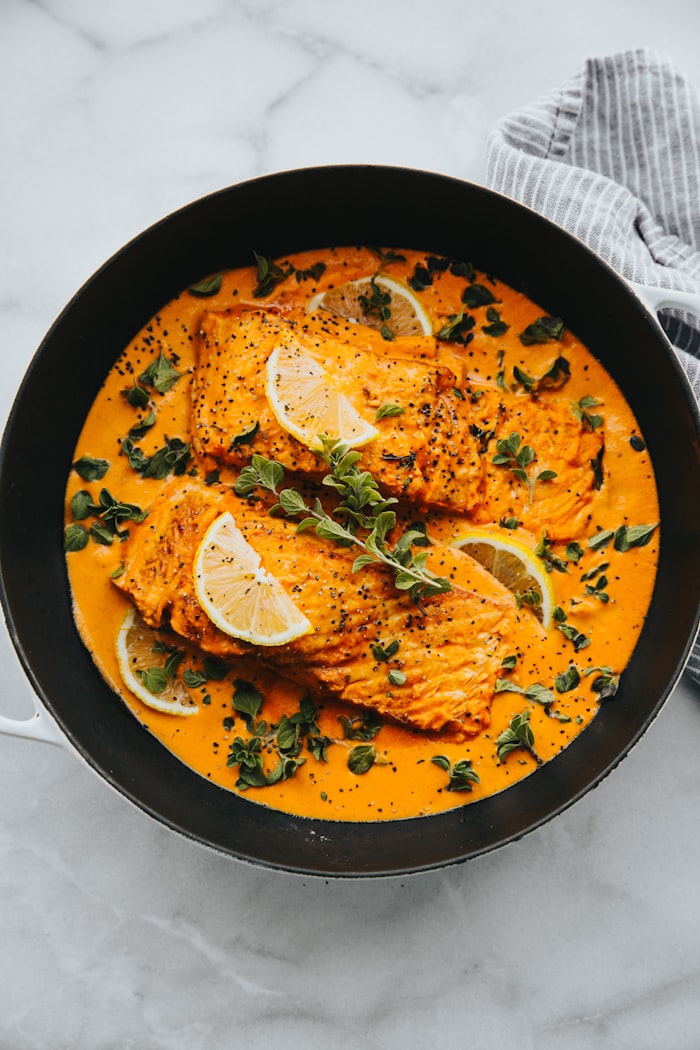
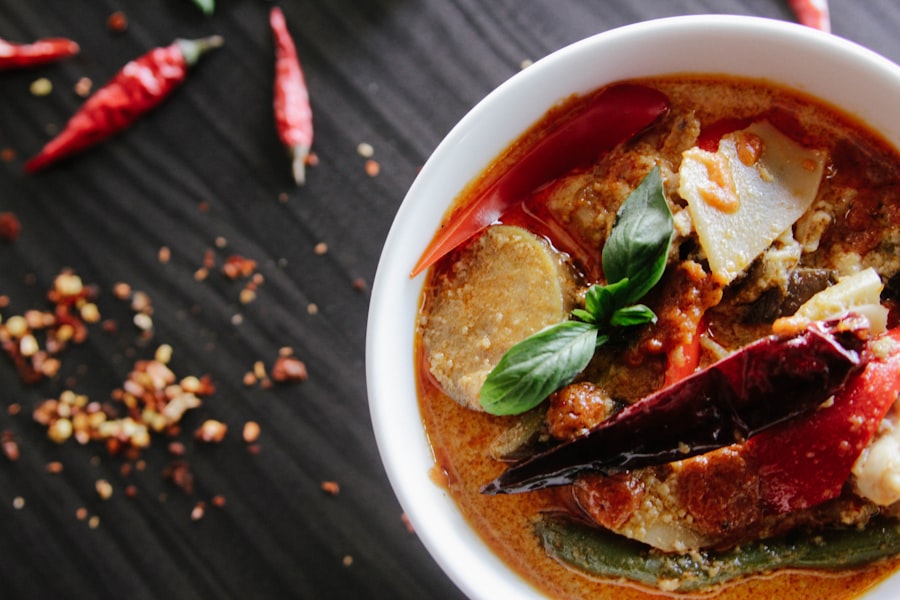
The golden base of a classic curry.
Turmeric in the Kitchen: How to Use It
Turmeric is one of the most versatile spices in a cook’s arsenal. Here is how it shines across different cooking styles:
In Curries and Dals
This is where turmeric is most at home. Added early to hot oil or ghee along with onions and aromatics, it blooms beautifully — its earthy depth forming the flavour backbone of dals, lentil soups, and vegetable curries. Paired with cumin, coriander, and chilli, it creates that unmistakable golden base that defines South Asian cooking.
In Rice Dishes
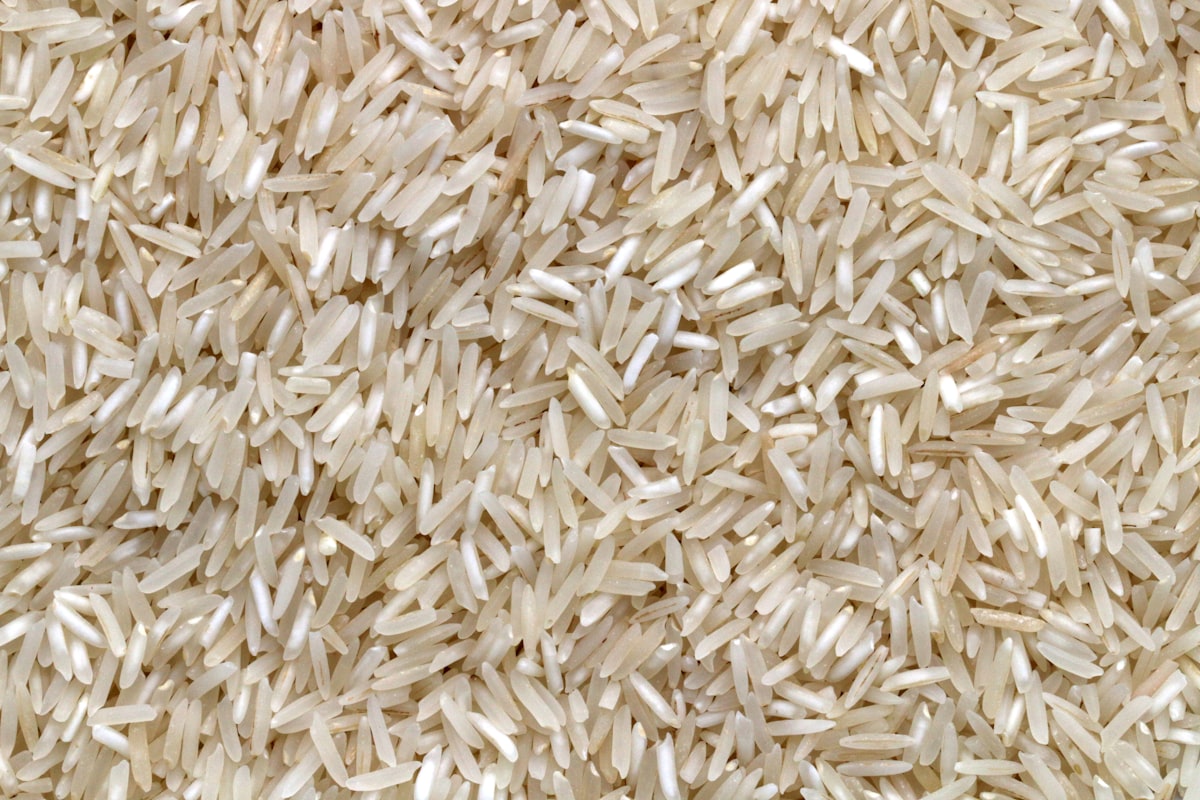
A pinch of turmeric stirred into cooking rice turns plain white grains into golden, fragrant pilaf. It is used this way across Indian, Persian, and Caribbean cuisines. The colour alone makes a humble bowl of rice feel celebratory.
A simple pinch of turmeric transforms plain rice into something golden and festive.
In Marinades and Roasts
Mixed with yogurt, garlic, ginger, and citrus, turmeric makes an extraordinary marinade for chicken, fish, and lamb. It creates a beautifully golden crust when grilled or roasted — visually stunning and deeply flavourful.
In Soups and Broths
A teaspoon of turmeric stirred into a simple vegetable or chicken broth adds warmth and colour without dominating. It works beautifully in Thai-inspired coconut soups, Moroccan harira, and even a simple chicken noodle broth.
Perfect Pairings
Turmeric plays exceptionally well with a range of ingredients. Here are the pairings every cook should know:
- Black pepper— not just for heat, but because piperine dramatically enhances the absorption of curcumin, turmeric’s active compound
- Ginger— shares the same plant family and complements turmeric’s earthiness with brighter, spicier warmth
- Coconut milk— balances turmeric’s bitterness with natural sweetness and fat
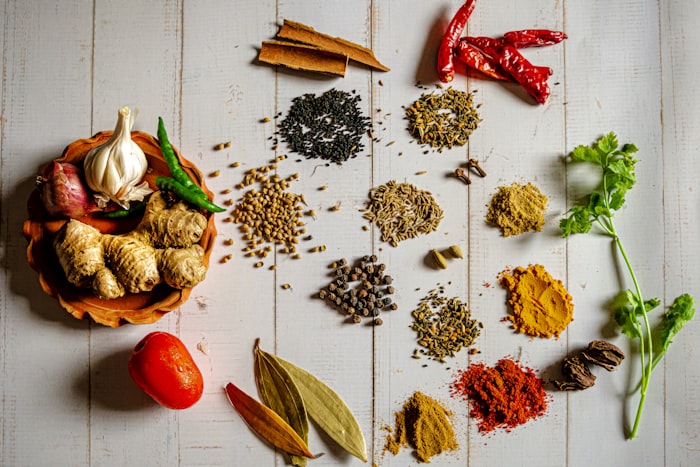
- Cumin and coriander— the classic trio of Indian cooking; together they create rounded, complex warmth
- Garlic and onion— sautéed together first, these form an aromatic base that grounds turmeric’s flavour
- Citrus (lemon, lime)— a squeeze of acid brightens turmeric’s earthiness and lifts entire dishes
Kitchen Tips: Getting the Most from Turmeric
- 01Bloom it in fat first. Cooking turmeric in oil or ghee before adding liquids unlocks its fat-soluble compounds and deepens the flavour significantly.
- 02A little goes a long way. Start with ¼ teaspoon and build from there. Overdoing it leads to a chalky, bitter result.
- 03Fresh is brighter. If you can find fresh turmeric root, grate it directly into dishes for a more vibrant, slightly peppery punch.
- 04It stains — everything. Wooden spoons, cutting boards, countertops, and clothes are all vulnerable. Work quickly and rinse immediately.
- 05Store it in the dark. Keep ground turmeric in an airtight jar away from light and heat to preserve potency.
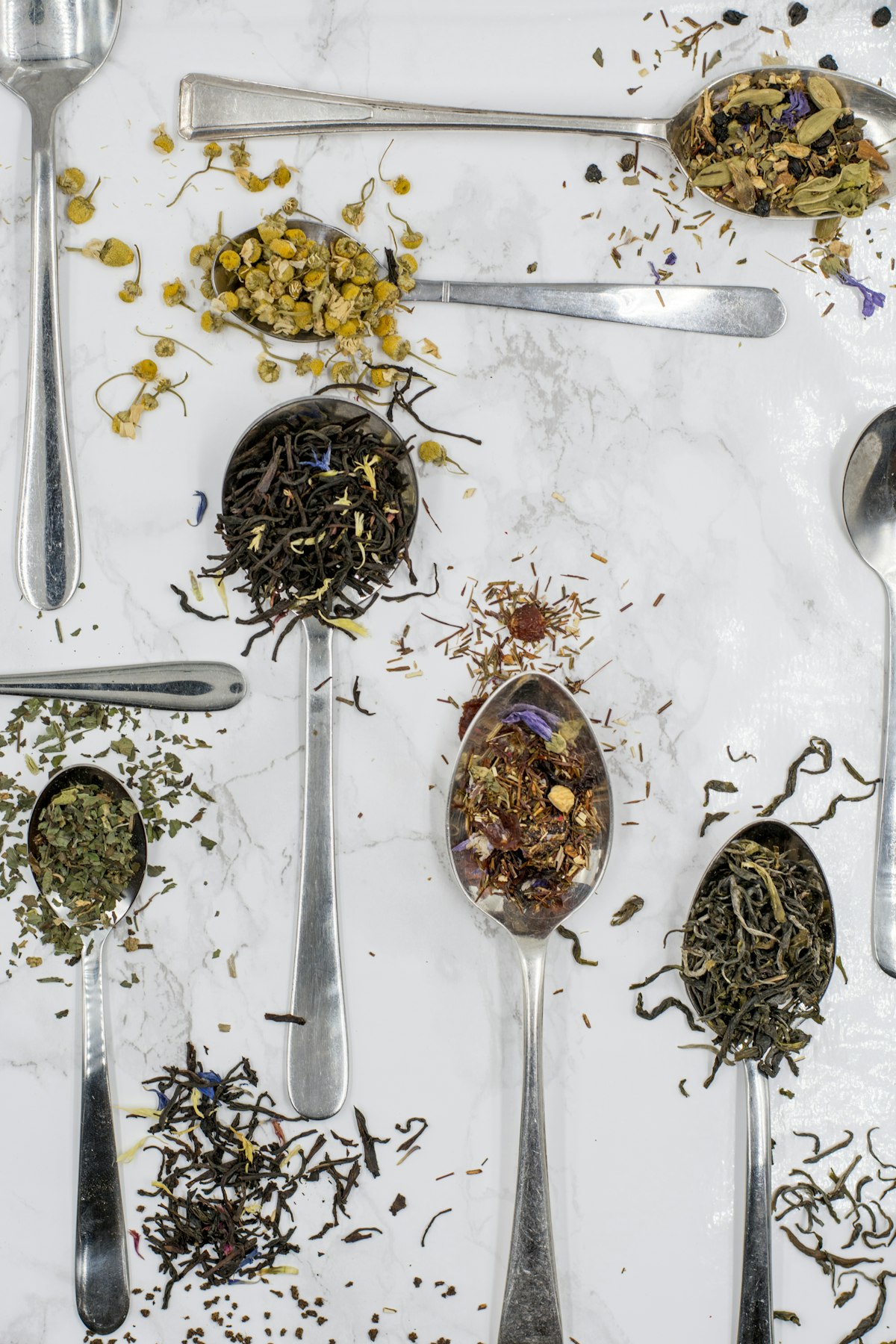
Turmeric alongside its greatest companions — ginger, cumin, coriander, and black pepper.
The Soul of a Spice
Turmeric is not glamorous in the way that saffron is, nor fiery in the way that chilli demands attention. It is quieter than that — patient, foundational, essential. It is the spice that makes a dish look alive before the first bite is taken.
In kitchens from Mumbai to Marrakech, from Colombo to the Caribbean, turmeric is the quiet constant — the golden thread that runs through centuries of cooking wisdom. Learn to use it well, and your kitchen will never be the same.
Every spice has a story. Turmeric’s is 4,000 years old — and it’s still being written in kitchens around the world.
— Aromatic Kitchen Tales · aromatickitchentales.orgaromatickitchentales.org · Spice Stories · Kitchen Wisdom
